
Start with the water category
The water damage standard sorts water into three categories. Category 1 comes from a clean source such as a supply line. Category 2 has some contamination, such as a washing machine overflow. Category 3 is grossly contaminated, such as sewage or river floodwater.
The higher the category, the more you discard. Items that soaked up Category 3 water are usually thrown out if they are porous, and cleaned and disinfected if they are hard and nonporous.
Hard items versus porous items
Glass, metal, hard plastic and sealed ceramic can often be cleaned and kept even after a bad flood. Wood furniture can sometimes be saved with careful drying. Upholstery, mattresses, pillows and stuffed toys that soaked in dirty water are generally discarded.
Books and papers are difficult. Clean-water paper can be dried or frozen for later treatment. Contaminated paper is usually lost, so copy or scan important documents as soon as you can.
The time factor
Time matters as much as category. Materials that stay wet for more than 24 to 48 hours have a rising chance of mold. A clean-water rug dried the same day is a good candidate to keep. The same rug left wet for a week is not.
If you cannot dry something quickly, move it to a dry, ventilated place or freeze small items. Freezing pauses mold and gives you time to decide.
| Item | Clean water (Cat 1) | Contaminated water (Cat 2 or 3) |
|---|---|---|
| Carpet and pad | Often dried in place if quick | Usually discarded |
| Mattress and upholstery | May be saved if dried fast | Discard |
| Solid wood furniture | Dry slowly and check | Clean and dry if sealed, otherwise discard |
| Books and papers | Dry or freeze | Usually lost |
| Drywall | Dry if firm | Cut out |
Flooring, drywall and insulation
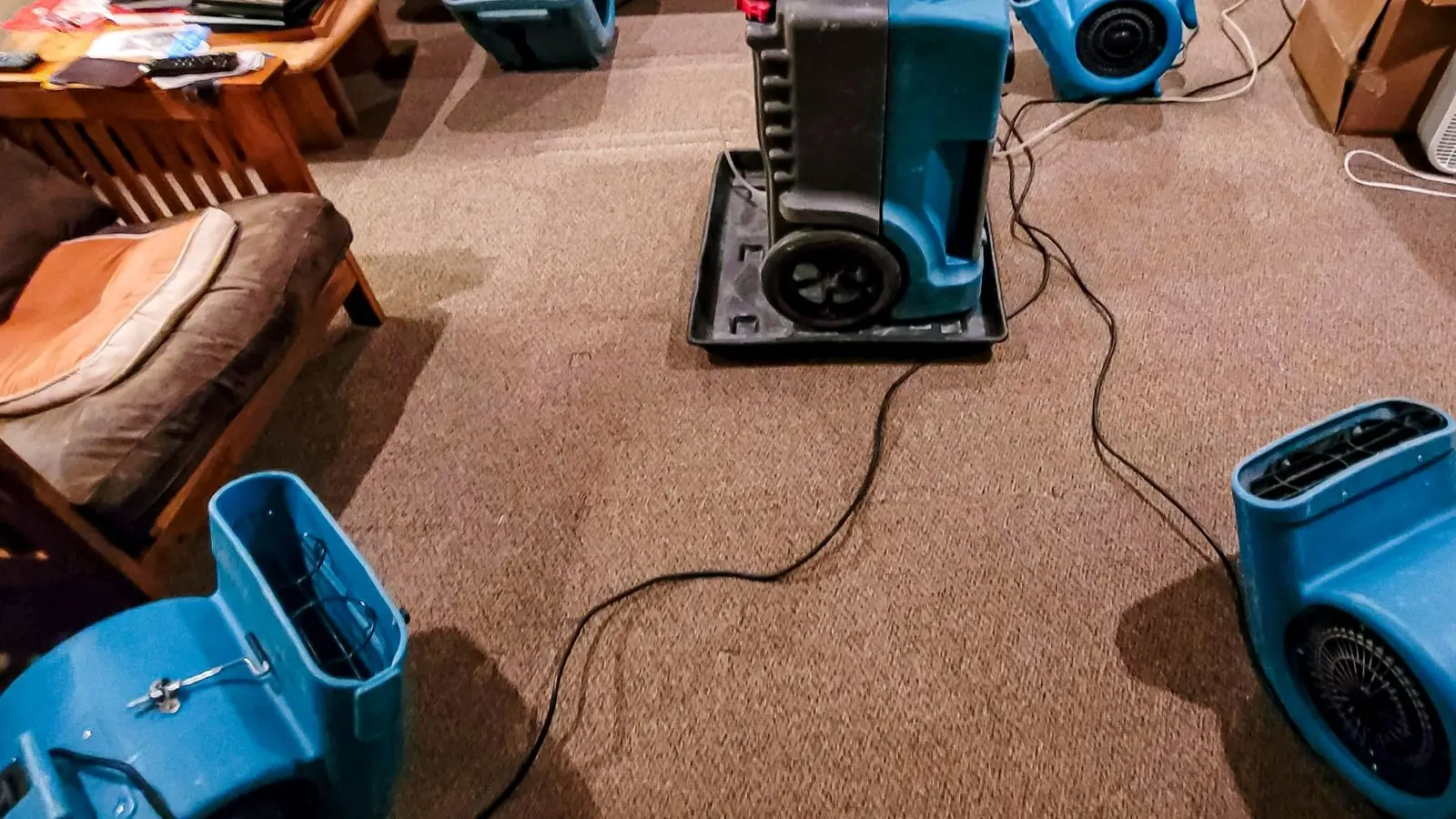
Carpet and pad after clean water can sometimes be dried in place if the response is quick. After dirty water, they go. Drywall that is wet but firm and clean can sometimes be dried, while soft, crumbling or stained board is cut out. Insulation that stayed wet usually has to be removed.
Carpet water damage restoration and wall and drywall water damage repair explain those decisions in detail.
Electronics, appliances and food
Do not turn on wet electronics. Unplug them and let a technician look. Food that touched floodwater should be thrown out, including canned goods whose seals are damaged. Medicines exposed to floodwater should be replaced after checking with a pharmacist.
Appliances that were submerged, such as a furnace or water heater, should be checked by a licensed technician before use. Refrigerators and washers may need professional cleaning.
Document before you discard
Photograph every item you plan to discard and write down a short description, age and value. Keep samples of flooring or carpet if your insurer asks. Ask the adjuster before disposing of large items if you can.
A pack-out and inventory by the restoration crew can speed the claim. Ask for a written list of what was removed and why.
Special cases: wood, leather and fabric
Solid wood furniture often survives clean water when it dries slowly. Fast heat can warp and crack it. Leather needs gentle drying away from direct heat, then conditioning. Silk and wool rugs may need a specialty cleaner.
Pressed wood and particleboard furniture usually swells and cannot be saved. Photograph it before you discard it for the claim.
Children's items and mattresses
Soft toys, pillows and mattresses that soaked in contaminated water should be discarded. Hard plastic toys can be washed and disinfected. A mattress that got wet from a clean source and dried the same day may be fine, but if it stays damp, mold can start inside.
When in doubt, replace items that touch skin or sleep surfaces.
Sentimental items and how to decide
Some items cannot be replaced, such as photographs, letters and heirlooms. Ask for professional advice before you throw them out. Freeze paper items, photograph everything and keep a list of what you decide to keep.
Set a calm time to decide. A rushed cleanup often discards things that could have been saved.
A room-by-room sorting routine
Work one room at a time. Move items into three groups: keep and clean, keep and dry, and discard. Photograph the discard pile before it leaves the house. A clear plan keeps the cleanup from turning into a pile of everything at the curb.
Start with the driest, most valuable room first. Seal sorted items in labeled bins so they do not get mixed with contaminated ones.
Cleaning what you keep
Hard items that touched dirty water should be washed with detergent, rinsed and disinfected with a product approved for the surface. Let them dry completely. Wear gloves and ventilate the room.
Soft items that survive, such as clothing from a clean-water event, can go through a hot wash and full dry cycle. Take dry-clean-only items to a cleaner and mention the water.
Disposal and heavy items
Wet drywall, carpet and furniture are heavy. Lift carefully, work with a helper and use contractor bags. Check Middleboro's trash and bulk item rules before you pile things at the curb. Ask the restoration crew whether disposal is included in the scope.
Hazardous items such as paint, solvents and batteries that got wet should be handled through the town's hazardous waste program.
A note on children, pets and health
Keep children and pets away from wet debris and contaminated rooms until cleanup is done. Wash hands after handling anything that touched dirty water. If someone has asthma or allergies, mold risk matters more.
Ask your doctor or the local Board of Health if you have a concern about contaminated water exposure.
Where to go next
See local conditions in Elmwood and East Freetown.
Sorting a wet house right now?
Call before you haul anything out. A crew can tell you what is worth saving and what to photograph first.
Lessons from Middleboro floods
Middleboro's state-supported report calls the 2010 flood the most significant event in recent memory. Floodwater from rivers and ponds is Category 3 from the start, so items that soaked in it are handled as contaminated.
If your home flooded in a past event, check basements, crawl spaces and garages for stored items that may have been forgotten and still carry odor or mold.
Source type: Middleborough community resilience report
Frequently asked questions
Can a mattress be saved after water damage?
Sometimes after a clean-water event if it was dried fast. After sewage or floodwater, it is usually discarded.
How should I dry important papers?
Lay them flat, separate pages and dry with air. Freeze them if you cannot dry quickly. Copy or scan them as soon as possible.
Is it safe to keep wood furniture after a flood?
Solid wood can sometimes be cleaned and dried. Veneer and particleboard often swell and fall apart.
Should I throw out food that touched water?
Yes if it touched floodwater or sewage. Be careful with sealed items and ask a food safety source if unsure.