
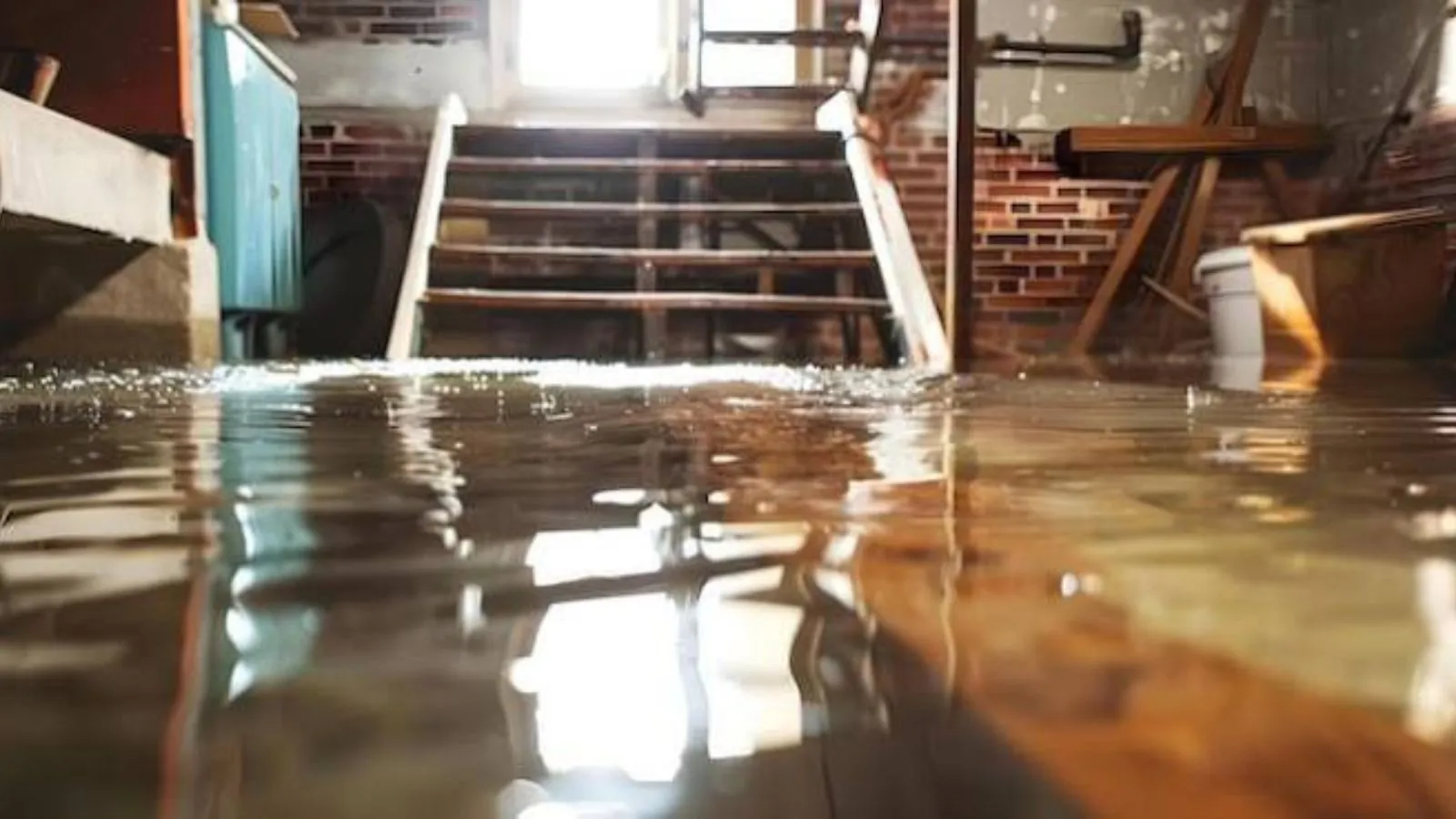
Step one: stop the water and stay safe
Before anything else, stop the source. Shut the main valve for a plumbing leak. Keep people out of standing water that could touch outlets or cords. Turn off power to wet rooms only if the panel is dry and you can reach it safely.
Insurers expect you to prevent further damage, so reasonable emergency steps are part of the claim. Save every receipt for tarps, pumps, hotel nights if you have to leave and emergency extraction.
Step two: document before you clean
Take wide photos of each affected room and close photos of the damage. Photograph the source, such as the broken pipe or the stained ceiling, and any serial numbers on damaged appliances. A short video walking through each room helps too.
Write down the date and time you noticed the problem. Make a list of damaged items with age and approximate value. Keep damaged items until the adjuster has seen them unless they are unsafe or contaminated.
Step three: call your insurer
Report the loss as soon as you can. Many policies require prompt notice, and a delay can make it harder to prove when the damage started. Ask for the claim number, the adjuster's name and the next steps in writing.
Ask what the policy requires for emergency work and for choosing a contractor. You can usually pick your own restoration company, and no insurer should pressure you to sign an assignment of benefits before you understand it.
| When | What to do | What to keep |
|---|---|---|
| First hour | Stop the water, make the area safe, take photos | Photos, video, time you noticed |
| Same day | Call the insurer and a restoration crew | Claim number, adjuster contact |
| First week | Dry the structure, remove damaged material | Moisture log, scope, receipts |
| Adjuster visit | Show photos, list and readings | Written estimate and notes |
| Rebuild | Check contractor registration and contract | Contract, invoices, permits |
Step four: get the drying started
While the claim moves, drying has to start. The EPA advises drying wet materials within 24 to 48 hours to limit mold. A crew extracts water, removes what cannot be saved and sets equipment. See water extraction and structural drying and dehumidification for how that works.
Ask the crew for a moisture log and a written scope. Both help the adjuster follow what happened and why.
Step five: the adjuster visit and the estimate
The adjuster inspects the damage and writes an estimate. Show them your photos, your list and the crew's readings. If the estimate looks low, ask what is missing and whether you can submit a supplement with documents. A second opinion on the rebuild scope is reasonable.
Keep copies of everything and note each conversation with the date and name. Do not discard damaged materials until the adjuster approves or you have photographed them thoroughly.
Step six: rebuild and close out
Once drying is done and readings show the structure is dry, rebuilding can begin. In Massachusetts, check that your rebuild contractor is registered for residential home improvement work. Contracts above 1,000 dollars should be in writing.
Review the final invoices against the estimate. Keep the paperwork for several years. If you plan to sell, buyers and inspectors may ask about past water damage and repairs.
Mistakes that weaken a claim
The most common mistake is throwing damaged items away before the adjuster sees them or before they are photographed. Another is waiting weeks to report the loss. A third is signing a contractor's form without reading whether it assigns benefits.
Avoid arguing about who is at fault in writing before you have the facts. Stick to what you saw, the date and what you did to limit the damage.
Living in the house during repairs
Whether you can stay in your home during drying depends on the loss. Noise and equipment are normal, and air movers and dehumidifiers run day and night. Sewage and mold losses can make parts of the house unsafe.
If you have to leave, ask your insurer whether the policy includes additional living expenses and what they require, such as receipts and a time limit. Keep every receipt.
A simple claim log you can keep on your phone
Open a note and record the date of loss, the claim number, the adjuster's name and phone and each call with the date. Record what was said and what you were told to do. Store photos in a dedicated album.
This log costs nothing and saves hours if the claim is reviewed or disputed later. It also helps you remember details when you talk with contractors.
What to expect from the adjuster
Adjusters work for the insurer. They are not your enemy, but they are not your advocate either. They look at the cause, the extent and the cost to repair, and they apply the policy. Be honest, be organized and bring your documents.
Ask them to explain each line of the estimate. If something is left out, such as a wall cavity that was wet or flooring in the next room, point to the moisture readings and the photos that show it.
Deductibles, depreciation and what actually gets paid
Your deductible comes out of the payment. Some policies pay actual cash value first and release the rest of the replacement cost after repairs are done. That means you may wait for the second payment, so ask how and when depreciation is released.
Keep invoices for every repair step, because the insurer often needs them to release the holdback.
Where to go next
Local pages for North Carver and Elmwood.
Loss happening now?
Start the drying clock before the claim paperwork. The dispatcher can tell you what to photograph and what to keep.
Documentation that fits Middleboro's flood history
Federal disaster declarations that included Plymouth County cover flooding or storms in March 2010, August 2011 for Tropical Storm Irene, and winter storms in 2013, 2015 and 2018, according to a neighboring town's hazard mitigation plan. If your loss follows a declared event, mention the storm date in your claim notes.
Also ask your insurer about flood coverage separately. Declared events and flood claims often follow different rules from a plumbing failure.
Source type: Plymouth County hazard mitigation plan, federal declaration list
Frequently asked questions
How long do I have to file a water damage claim?
Policies vary, and many require prompt notice. Call your insurer as soon as you can and ask about deadlines in writing.
Do I need an estimate before emergency drying starts?
No. Emergency steps to prevent further damage usually should not wait. Keep receipts and ask your insurer what documentation they want.
Can I hire my own contractor in Massachusetts?
Generally yes, and for most residential repair work the contractor must be registered with the state. You can check registration through the Office of Consumer Affairs and Business Regulation.
What if my Middleboro claim is denied?
Ask for the denial in writing with the policy section cited. You can ask for a review, provide more documents or contact the state insurance regulator for help.