
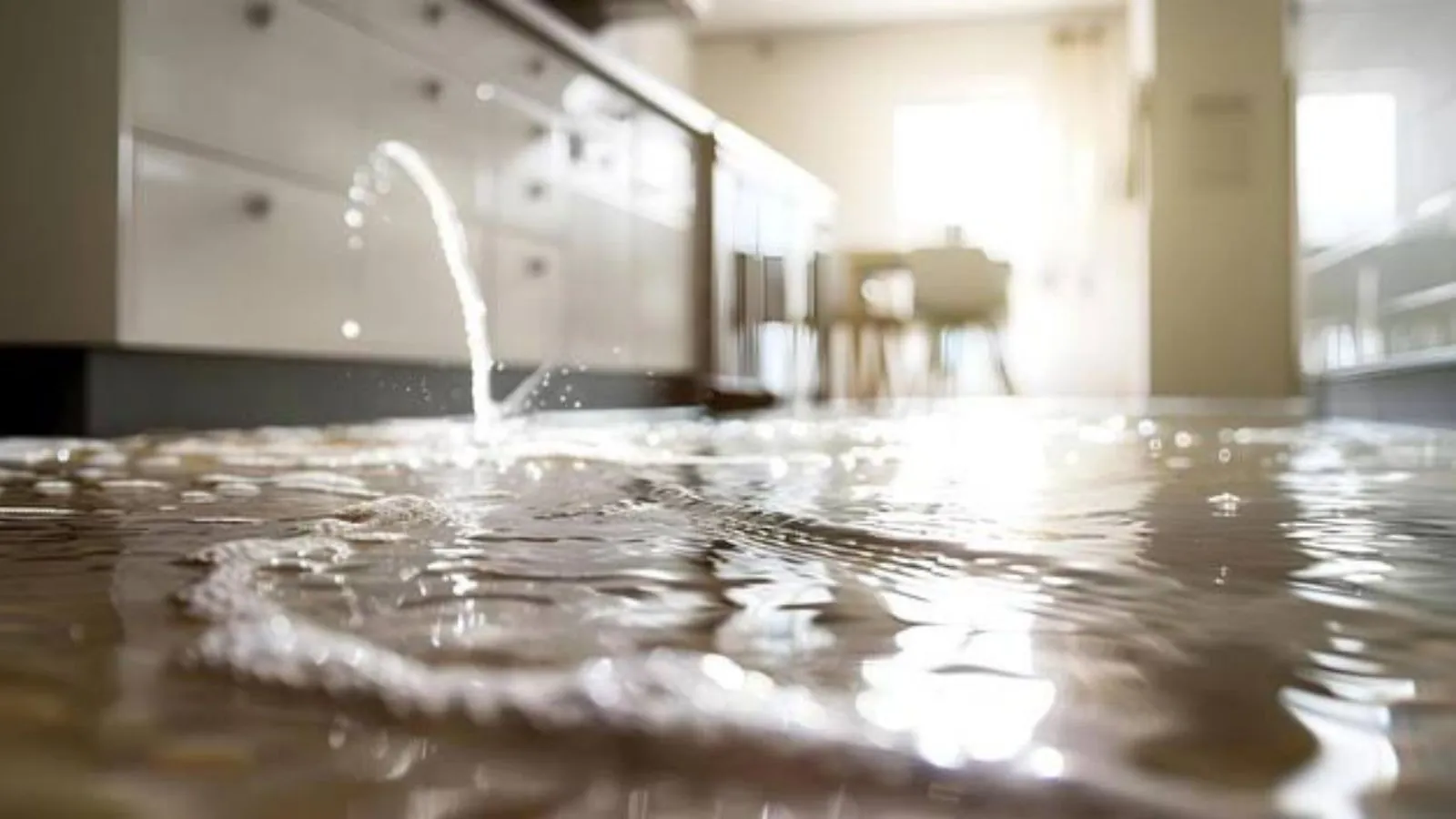
Safety comes before saving the device
Do not touch electrical gear while standing in water. If outlets, power strips or cords are wet, stay out and shut off power from a dry spot or call the utility. A shock risk is not worth a television.
Once the area is safe, unplug devices from the wall and from each other. Do not plug anything in to test it.
The ANSI/IICRC S500 standard and the National Electrical Code both treat wet electrical gear as a shock and fire risk until a licensed electrician clears it.
Do not turn it on
Powering a wet device can short circuits and cause corrosion. Even if it seems to work, residue inside can fail later. Remove batteries from remotes and portable gear. For laptops and phones, power off and unplug the charger.
If the device was in water for a short time, let it dry in a well-ventilated place for at least a day or two. A technician can open and clean it.
The rice myth
Dry rice does not reliably pull moisture out of a device. It can leave dust inside and delay real repair. Better options include silica gel packets, open-air drying and professional cleaning.
Fresh-water exposure is more forgiving than salt or dirty water. Floodwater and sewage can corrode contacts quickly, so devices exposed to them should go to a professional right away.
| Device | First move | Next step |
|---|---|---|
| Phone or tablet | Power off, remove case, do not charge | Air dry, then technician if needed |
| Laptop | Power off and unplug | Technician |
| Television or console | Unplug | Let it dry, then have it tested |
| Furnace or water heater | Do not run | Licensed technician |
| Power strips and cords | Unplug and replace if wet | Do not reuse after floodwater |
Large appliances and HVAC equipment
Furnaces, boilers, water heaters, washers, dryers and refrigerators that were wet should be checked by a licensed technician before use. Control boards, motors and gas valves can be damaged.
A restoration crew can dry the surrounding area, but appliance repair stays with a technician. See basement water damage cleanup for how lower levels are handled.
Data and backups
If a device holds photos or records you need, stop using it and call a data recovery service. Every restart risks more damage. Clouds and external backups make this less of a crisis, so back up now if you have not recently.
For desktop computers and drives, take them out of the water area and wait for a technician.
Preventing electronics water loss
Keep valuable electronics off basement floors and away from windows, water heaters and washers. A surge protector does not protect against water. Consider leak sensors near sump pits, water heaters and washers.
In a storm, move electronics to upper floors and unplug them before power surges.
Home networks, security systems and smart devices
Routers, security hubs, smart thermostats and cameras are often installed in basements and garages. Water can damage them quietly, and a failed security system is a risk. Check these devices after any water event.
Replace wet power adapters and cords. Cheap power bricks can fail dangerously when damp.
Panels, outlets and wiring
If water reached an outlet, switch, light fixture or the electrical panel, call a licensed electrician before restoring power. Wet wiring can corrode and fail later. A restoration crew can dry the structure, but an electrician must certify the wiring is safe.
Do not reset breakers repeatedly if they trip. Tripping is a warning.
Leak sensors worth installing
Small battery-powered leak sensors cost little and give an early alert. Place them near sump pits, water heaters, washers, dishwashers and under sinks. Some connect to a phone app. An automatic shutoff valve on the main adds protection.
These devices do not replace maintenance, but they shorten the time between the first drip and your response.
Cars, garages and outdoor equipment
Garages often hold freezers, workbenches, power tools and electric vehicle chargers. Floodwater can damage them. Do not plug in wet chargers or power tools. If a vehicle was in floodwater, have a mechanic inspect electrical systems before starting it.
Lawn equipment and battery packs should dry fully before use. Lithium batteries that were submerged can be a fire risk, so keep them away from heat and call the manufacturer if unsure.
Solar, batteries and generators
Homes with solar panels, battery storage or a transfer switch need an electrician to check the system after flooding. Do not touch wet inverter or battery equipment. Shut off per the manufacturer's instructions only if safe.
Generators should be dried and inspected before use, and fuel that got water in it should be replaced.
What a restoration crew checks before you plug back in
After drying, the crew's moisture readings show whether walls and floors around outlets are dry. That is useful information for an electrician. Do not restore power to a previously flooded area without that check.
Keep the moisture log. It helps the electrician, the adjuster and you.
Wet extension cords, surge protectors and holiday lights
Cords and power strips that touched water should be replaced. They can corrode internally and fail later, causing shocks or fires. Do not dry them and reuse them.
The same goes for holiday lights stored in damp basements. Check insulation for cracks and swelling before use.
What to tell your insurer about electronics
List each device with brand, model, age and price if you know it. Photograph labels and serial numbers. Keep damaged devices until the adjuster approves disposal, unless they are a hazard.
Ask whether the policy pays actual cash value or replacement cost for electronics. The difference can be large.
Where to go next
For the work itself, see flood damage cleanup. Area pages for Carver and Elmwood.
Electronics near the water?
Cut power from a dry spot, then call. Drying the room is separate from repairing the equipment.
Power outages and generators in Middleboro
The town's resilience report notes that outages stop private well pumps and sump pumps. During storms, many homeowners reach for generators. Generators must run outside and away from windows because of carbon monoxide risk.
A generator connected to a house needs a proper transfer switch. Backfeeding through an outlet can injure utility workers.
Source type: Middleborough community resilience report
Frequently asked questions
Is it safe to plug in a wet appliance after it dries?
Not until a technician checks it, especially after flood or dirty water.
Does putting a phone in rice work?
Not reliably. Open-air drying or professional cleaning is better.
Who handles a flooded furnace?
A licensed heating technician. A restoration crew dries the room but does not repair the equipment.
Can I power wash electronics?
No. Moisture and pressure damage them. Leave cleaning to technicians.