
Fix first, then decide how to sell
A dry, properly repaired house is far easier to sell than one with open walls or staining. Complete the drying, check readings and finish repairs with registered contractors before listing if you can. If you must sell as is, price accordingly and disclose.
Keep the moisture log, photos and invoices. They show buyers that the loss was handled correctly.
Restoration records that follow ANSI/IICRC S500 and S520 give buyers and inspectors a recognized reference for what was done.
What buyers and inspectors look for
Inspectors look for stains, odors, soft floors, mold, efflorescence on basement walls and signs of past repair. They use moisture meters and sometimes thermal cameras. Fresh paint on one patch can draw attention.
Be ready to explain what happened, when and how it was fixed. A clear story with paperwork reassures buyers.
Disclosure and the role of a real estate attorney
Disclosure rules differ by state and change over time, and this page is not legal advice. Ask a Massachusetts real estate attorney what you must disclose and how to document it. Hiding known problems can create liability after the sale.
Your agent can also help you present the history in a way that is honest and clear.
| Document | Why it helps | Source |
|---|---|---|
| Moisture log and photos | Shows the loss was dried | Restoration company |
| Invoices and permits | Shows work was done properly | Contractors and town |
| Clearance for mold, if any | Shows the problem is resolved | Remediation company |
| Claim paperwork | Explains insurance history | Insurer |
| Flood zone info | Helps buyers plan coverage | FEMA map and agent |
Insurance history and claims records
Buyers and their insurers may ask about prior claims. Insurers may look at a claims database. A claim does not make a house unsellable, but incomplete records raise questions.
Ask your agent how a claim affects your coverage and keep copies of the final paperwork.
Flood zones, lenders and flood insurance
If a house is in a mapped high-risk flood zone and has a mortgage, the lender typically requires flood insurance. Buyers should check the FEMA map and get quotes. Past water damage does not by itself put a house in a flood zone.
Sellers can help by having flood information ready and sharing prior elevation certificates if they exist.
Mold and air quality concerns
Mold history makes many buyers nervous. Keep the remediation scope, the clearance documentation and the moisture readings if mold was involved. A clear explanation and receipts go a long way.
See mold remediation for what a proper job includes.
Timing the repairs and the listing
Repairs that wait for a sale can get messy. Open walls and unresolved drying can fall through inspection and financing. If time is short, complete safety items, stop the leak and consider a pre-listing inspection.
Structural drying and dehumidification describes how dryness is verified.
A seller's repair-versus-credit decision
Some sellers repair fully, others offer a credit and sell as is. A repaired house with documents is easier to finance and insure. A credit shifts the work to the buyer and may reduce offers.
Ask your agent how buyers in Middleboro respond to each choice in the current market, and run the numbers before you decide.
Pre-listing inspections
A pre-listing inspection finds issues before buyers do. If it finds moisture, a restoration company can take readings and advise. Fixing small problems early may avoid renegotiation later.
Keep the inspection report and the repair receipts in your sale folder.
Buyer's side: questions to ask when a house has water history
If you are buying, ask for the repair records, moisture readings, permits and any mold clearance. Ask about the cause and whether it has been fixed. Have your inspector check the basement, attic and wall bases.
A restoration company can take readings during an inspection if you ask.
Presenting the story honestly
Buyers respond better to a clear account than to silence. Say what happened, when, what was done and who did it. Provide the paperwork.
Honesty also protects you after closing. A well-documented history is rarely the deal-killer that an undisclosed one can become.
What a prospective buyer's insurer may ask
Insurers often ask about prior water losses, the age of plumbing, the roof and the water heater. Past claims can affect premiums and eligibility. Repairs and updates help.
Ask your agent which upgrades are valued by insurers, such as new supply lines and leak sensors.
Using a restoration company's report in the sale
A clean moisture report and a list of work done can be part of your disclosure package. Ask the company for a summary letter that states the date of loss, the cause, the work performed and the final readings.
Keep it factual. Avoid vague claims and keep copies for your file.
Where to go next
Towns near Middleboro include Carver and East Freetown.
Water history before a listing?
Call for a moisture check and a written summary of readings you can keep in the sale folder.
Middleboro flood maps and buyers
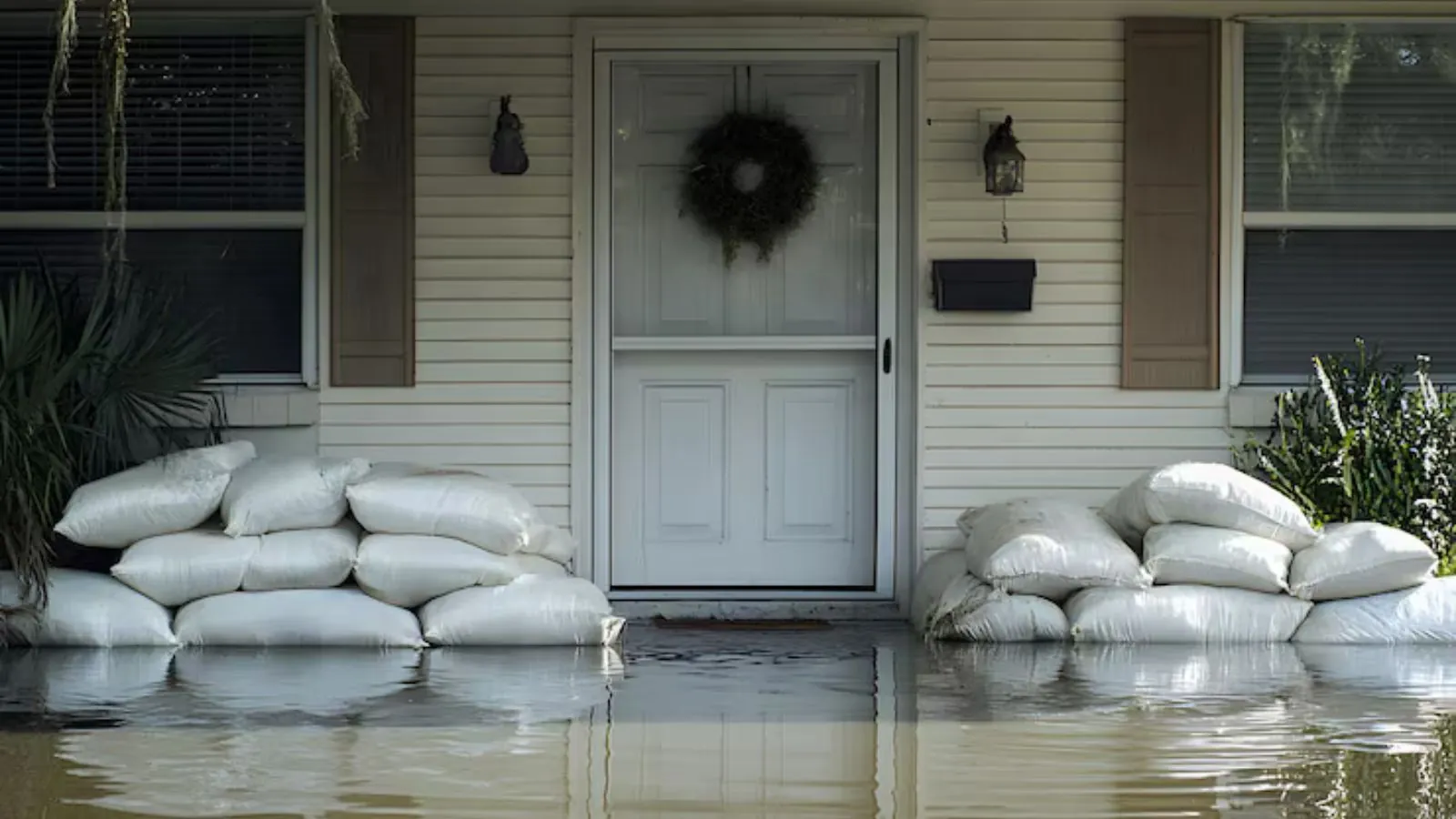
Parts of Middleboro sit in floodplain mapped areas, and the town's own resilience report names the 2010 flood as its most significant event. Buyers who learn of that history may ask about flood coverage and drainage.
Having a recent elevation certificate or a sump pump inspection ready can ease concern.
Source type: Middleborough community resilience report
Frequently asked questions
Do I have to tell buyers about past water damage in Massachusetts?
Disclosure rules are legal questions. Ask a Massachusetts real estate attorney what applies to your sale.
Will a past claim make my house hard to sell?
Not by itself. Well-documented repair and a clear explanation usually go over better than silence.
Should I repair or sell as is?
It depends on cost, time and the market. Get a repair estimate and talk with your agent.
Can I sell a house with mold history?
Yes with documentation. Keep the remediation scope, clearance and readings.