
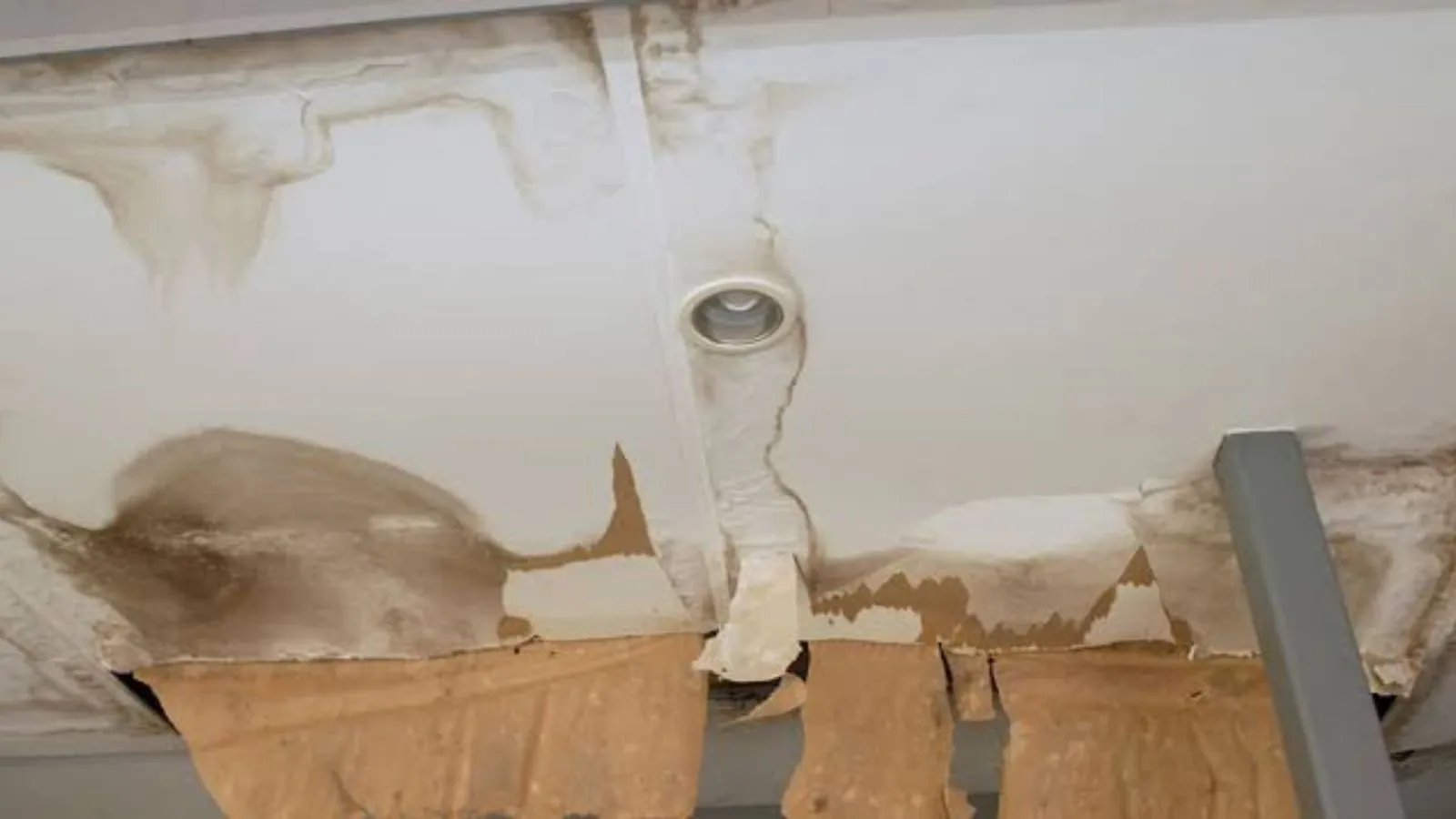
The short answer: it depends on the cause
Most standard homeowners policies cover water damage that is sudden and accidental. A supply line that bursts, a water heater that fails or a dishwasher hose that splits are common examples. The same policy often excludes water damage that builds up slowly, such as a leak that dripped for months, or water that comes from outside, such as flood or surface runoff.
Because wording differs between insurers and between policies, nobody outside your insurer can say what your policy pays. What a restoration company can do is describe what happened, document the damage and give you a moisture log you can hand to the adjuster.
Sudden and accidental versus gradual
Insurers separate a burst pipe from a slow leak under a sink. A pipe that splits and floods a room is sudden. A seal that weeps for six months and rots a cabinet is gradual, and many policies call that maintenance. The line is not always clear, which is why dated photos and the repair invoice from your plumber matter.
If you find a leak, stop it, fix it and write down when you noticed it. Do not wait to see whether it dries. Waiting can be read as neglect, and it also gives mold time to start.
Flood is usually a separate policy
Standard homeowners coverage commonly excludes flood. Flood insurance is sold separately, often through the National Flood Insurance Program or a private carrier. Water that rises from a river or pond, runs across the yard or comes up through a basement floor from groundwater often counts as flood or as another excluded cause.
Our page on flood damage cleanup explains how crews treat floodwater. Ask your insurer which category your loss falls into before you assume a payout.
| Situation | Often treated as | Ask your insurer |
|---|---|---|
| Burst supply line or hose | Sudden and accidental | Whether the failed part is excluded |
| Slow leak under a sink for months | Gradual or maintenance | What notice and proof they require |
| River or pond overflow | Flood, usually excluded | Whether you hold a separate flood policy |
| Sewer or drain backup | Often excluded without endorsement | Whether a backup endorsement is on your policy |
| Roof leak after wind damage | Often covered if wind caused the opening | How they treat interior water damage |
Sewer and drain backup
Backup of a sewer or drain is another common exclusion unless you add an endorsement. If your basement floods because a floor drain backs up, the policy may treat it differently from a burst pipe. Ask your agent whether a backup endorsement is on your policy.
Sewage is Category 3 water under the industry standard, and cleanup is more involved. Sewage backup cleanup describes the process.
What you can do to protect a claim
Photograph everything before you move it. Keep damaged items until the adjuster approves disposal unless they are unsafe. Save receipts for emergency work such as water extraction and temporary repairs. Ask the crew for a written scope and moisture readings.
Call your insurer promptly. Many policies require prompt notice. Do not sign a work authorization that assigns your claim or benefits until you read what it does.
What a restoration company can and cannot do
A restoration company can stop the damage from growing and document it. It cannot guarantee that your insurer will pay, and a company that promises approval is not being honest. Good companies explain the scope, the readings and the cost drivers in plain language.
If a loss is in Lakeville or Carver, the crews serve those towns as well. See Lakeville water damage and Carver water damage for local detail.
Common situations and how insurers often see them
Insurers tend to sort losses into a few buckets. A washing machine hose that bursts is usually treated as sudden. Rain that enters through a damaged roof can be covered when the roof was damaged by a covered event, such as wind. A sump pump that fails during a storm may be treated differently depending on whether you carry a water backup endorsement.
The table below shows how these common situations are often treated. It describes patterns, not promises, and your own policy wording controls.
What your policy may not pay for even when the loss is covered
Even covered losses can leave gaps. Policies often exclude the cost to repair the part that failed, such as the pipe or the appliance, while paying for the resulting damage. Deductibles apply. Some policies cap mold coverage or sublimit water backup.
Read the declarations page and the endorsements. Ask your agent to explain sublimits in plain words. A short call before a loss is far easier than an argument after.
Documents worth keeping before anything goes wrong
Take a home inventory with photos or video of each room, including the basement and attic. Save receipts for big purchases and appliance serial numbers. Store copies in the cloud or at a relative's home.
If water ever does reach your house, those records shorten the claim. They also help you decide whether the cost of a repair is likely to exceed your deductible.
When to ask your agent before a loss happens
Many homeowners learn what their policy excludes only after water arrives. A fifteen-minute call with your agent can answer the biggest questions: is water backup covered, what is the deductible, is flood excluded and what is the mold limit.
If you live near a pond, river or low ground, ask specifically about flood coverage. Waiting periods often apply to new flood policies, so buying one during a storm warning does not help.
Water loss and a coverage question?
Call the 24/7 line first to stop the damage from growing, then read your policy with the moisture log in hand.
Flood coverage questions around Middleboro
Middleboro's state-funded resilience report names the 2010 flood as the most significant event in the town's recent past. Middleboro also has a floodplain overlay district in its bylaws, which means some parcels carry extra permit rules. Whether your home is inside it is a question for the Building Department and the FEMA flood map.
Lenders can require flood insurance when a mortgaged home sits in a mapped high-risk zone. If you are unsure, ask your lender and your insurance agent before the next heavy rain.
Source type: Middleborough community resilience report, Middleborough floodplain bylaw on eCode360
Frequently asked questions
Is a burst pipe in Middleboro covered by homeowners insurance?
Often yes when the break is sudden and accidental, though the pipe repair itself may be excluded. Read your policy and ask your insurer how they classify the loss.
Does homeowners insurance cover groundwater in a Middleboro basement?
Often not. Groundwater seepage and flood are commonly excluded unless you carry flood coverage or a special endorsement. Check your policy wording.
Should I call my insurer or a restoration company first?
Stop the water and call both. The restoration crew keeps the damage from growing, and your insurer opens the claim. Ask the insurer about its notice requirements.
Can a restoration company deal with my insurer for me?
A crew can provide documentation and readings. The claim stays between you and your insurer, and you should read any form before you sign it.