
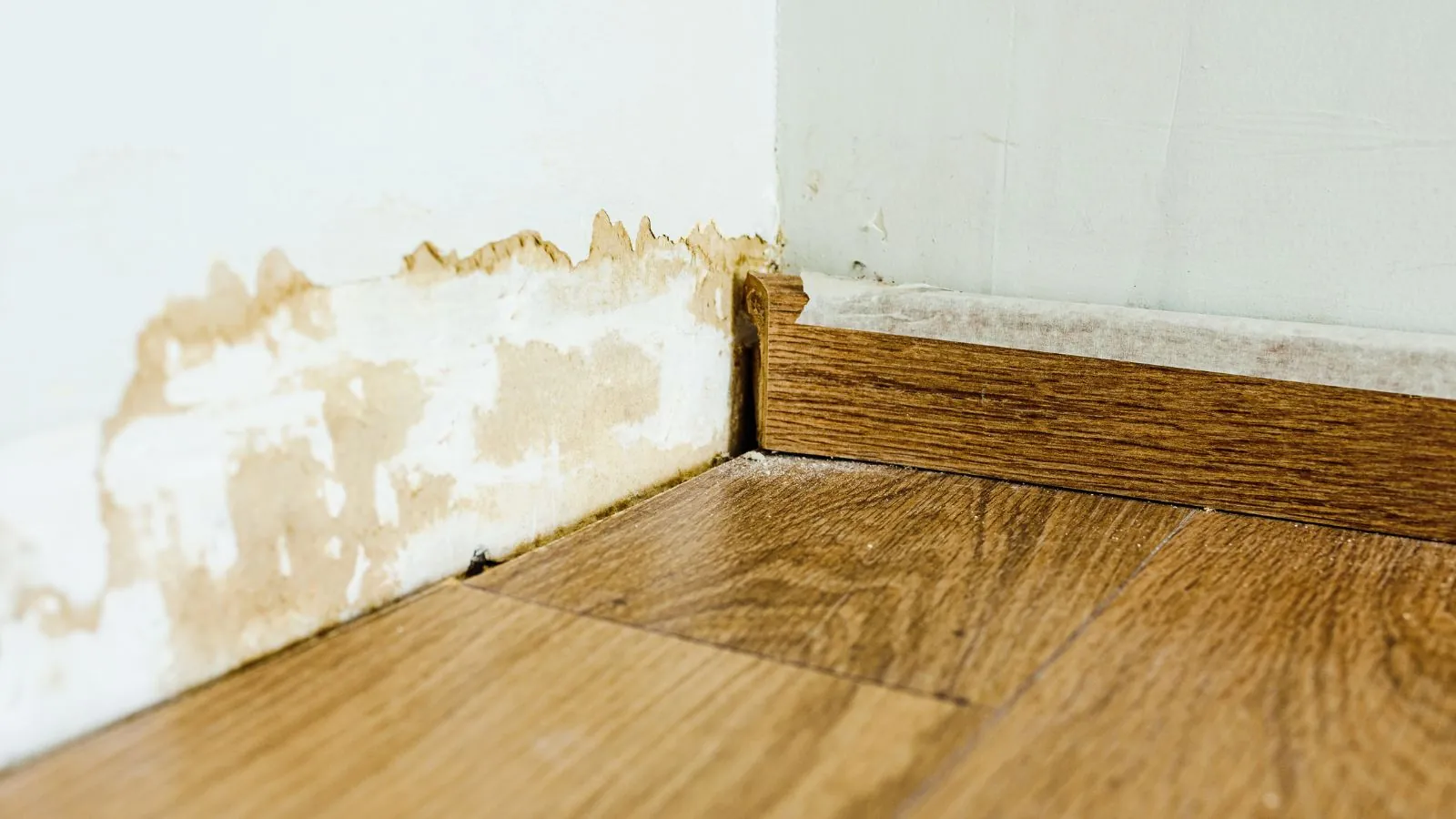
The difference between drying and building
Water extraction, drying and cleaning generally do not need a building permit. They are emergency services. Rebuilding is different. Structural repairs, new electrical or plumbing work, window or roof replacement and large-scale reconstruction often do.
Rules vary by town and by scope, so a call to the Building Department is the reliable way to check.
Why permits matter after a loss
Permits protect you. They bring inspection of work that will be hidden behind walls and help prevent unsafe wiring or plumbing. Unpermitted work can complicate an insurance claim and a future sale.
If a contractor says you do not need a permit for something that sounds major, ask them to put that in writing and check yourself.
Floodplain overlay districts
Middleboro's zoning includes a floodplain overlay district, and the town's bylaws require a permit for certain development within it. If your home is inside that district, repairs that go beyond cosmetic work can trigger additional review.
The FEMA flood map and the Building Department can tell you whether your parcel is inside. Do this before you hire a rebuild contractor.
| Work | Permit likely? | Who to ask |
|---|---|---|
| Water extraction and drying | Usually no | Restoration company |
| Replacing drywall and paint | Often no | Building Department |
| Structural repair or framing | Usually yes | Building Department |
| Electrical or plumbing repair | Usually yes | Licensed trade and Building Department |
| Work inside floodplain district | Possibly extra review | Building Department |
The substantial damage question
In flood hazard areas, federal rules call for extra requirements when repair costs reach a share of the building's value. The details are set locally. Ask the Building Department how the rule applies to your property.
This matters because a flooded house in a mapped zone may have to meet higher standards when rebuilt, such as elevation of utilities.
Electrical, plumbing and gas permits
In Massachusetts, electrical, plumbing and gas work are licensed trades that usually need permits and inspections. If water damaged wiring, panels or fixtures, a licensed electrician or plumber should do the repair and pull the permit.
A restoration crew can dry and demolish. The trade work that follows falls to licensed trades.
Contractor registration is a separate question
A permit and a registration are different things. Registration shows that a contractor is registered with the state for residential home improvement work. Permits show the town reviewed the work.
You can check a contractor's registration through the state lookup and then ask the Building Department about permits.
What to bring when you call
Have the address, a short description of the damage, the planned repairs and the contractor's name. Ask whether a permit is required, what the fee is and how inspections are scheduled. Take notes and ask for the answer by email if possible.
Keep the permit and inspection records in your claim and sale files.
How to avoid delay after a loss
Call the Building Department early, even before the drying is done. Ask what documents you will need for the rebuild. Some towns ask for plans, contractor details or estimates. Early questions prevent a gap between drying and rebuilding.
Meanwhile, keep records of the loss. They help with the permit and the claim.
Owner-builders and DIY rebuild
Massachusetts allows some work by owners on their own homes under certain conditions, but rules apply and inspections still occur. Check with the Building Department before you start. Insurance, resale and safety all benefit from permitted work.
Even if you do the finish work yourself, hire licensed trades for electrical, plumbing and gas.
Septic, wells and health department rules
If sewage or septic systems are involved, the local Board of Health may have a role. Wells may need testing after flooding. These are separate from building permits, and the town can point you to the right office.
Ask your restoration company whether any disposal or reporting rules apply to your job.
Records worth keeping
Keep the permit, inspection sign-offs, the contractor's registration number, the contract and the final invoices. Store copies digitally. These records matter for insurance, resale and future repairs.
If a contractor offers to skip permits, treat that as a sign to look for someone else.
What happens at an inspection
An inspector from the town checks that work meets code. For electrical or plumbing, they look at wiring methods, connections and materials. For framing or finishes, they check structural elements. Inspections are scheduled by the contractor or owner.
If work fails inspection, the inspector explains what to fix. Fix it, schedule again and keep the record.
Costs, timing and what to expect from the Building Department
Permit fees and review times vary with the scope. Simple repairs can be quick and larger jobs take longer. Plan the rebuild schedule around those times.
Ask if a permit can be issued for a phased repair so that safe work can proceed while larger decisions are made.
Where to go next
For the work itself, see flood damage cleanup and basement water damage. Local detail for Lakeville and Elmwood.
Planning a rebuild?
Dry first, permit second. Call to get the structure dry while you check with the Building Department.
Middleboro rules in short
The town's bylaws, posted on eCode360, set out a floodplain overlay district permit and a stormwater bylaw that prohibits illicit discharges to the storm drain system. The Building Department is the first call for construction questions.
Because bylaws change, check the current text or call before you act. Do not rely on a blog post, including this one, for a permit decision.
Source type: Middleborough floodplain and stormwater bylaws on eCode360
Frequently asked questions
Do I need a permit to dry my basement?
Normally not. Drying is an emergency service. Rebuilding finished space may need permits depending on scope.
How do I know if I am in the floodplain overlay district?
Check the FEMA flood map and ask the Building Department.
Who pulls permits, me or the contractor?
Either can, depending on the contract. Ask in writing who is responsible.
What if work was done without a permit?
Contact the Building Department. Unpermitted work can raise problems for insurance and for selling.